Women’s ethnic clothing continues to be a vital aspect of fashion for centuries, wonderfully portraying culture, tradition and workmanship. It may be worn modestly for casual comfort, or adorned heavily for great festivities.
Ethnic fashion has no boundaries, from plain cotton dresses for everyday wear to elaborately embroidered festive wear for weddings and other events. This adaptability guarantees that traditional clothes change and do not lose their cultural character.
Ethnic wears are also a tribute to the excellent workmanship which is handed on from generation to generation. Hand embroidery, weaving methods, block printing, mirror work, thread embroidery and handmade decorations are the expressions of the unique creativity of traditional Ethnic Wear communities. Each ensemble narrates a tale of legacy, but also embraces contemporary comfort and elegance, making ethnic wear an evergreen favorite in women’s closets.
Choosing Ethnic Wear for the Event
Breathable fabric allows for easy mobility, but is still appropriate for lengthy workdays, shopping excursions, informal encounters, or everyday shopping. Soft pastel tints and modest designs are generally needed for daytime activities but they still need to seem polished.
Ethnic elegance is becoming a trend office outfit in professional contexts. Clean lines, elegant color palettes and minimum ornamentation offer professional looks for meetings, presentations and business parties. Practical hectic workdays also call for comfortable textiles that resist wrinkling.
Embellishments take ethnic dress to a another level, giving texture, depth and a touch of workmanship. Thread embroidery, sequins, mirror work, beading, lace, zari details, handmade patterns and woven borders take modest clothes to statement wear for great festivities. The dress is kept stylish, not overdone, by a balance of decoration and comfort.
The creative mix of colors, designs and ornamental methods allows ladies to celebrate traditional creativity while personalizing their ethnic clothing.
Women’s Ethnic Wear Accessories
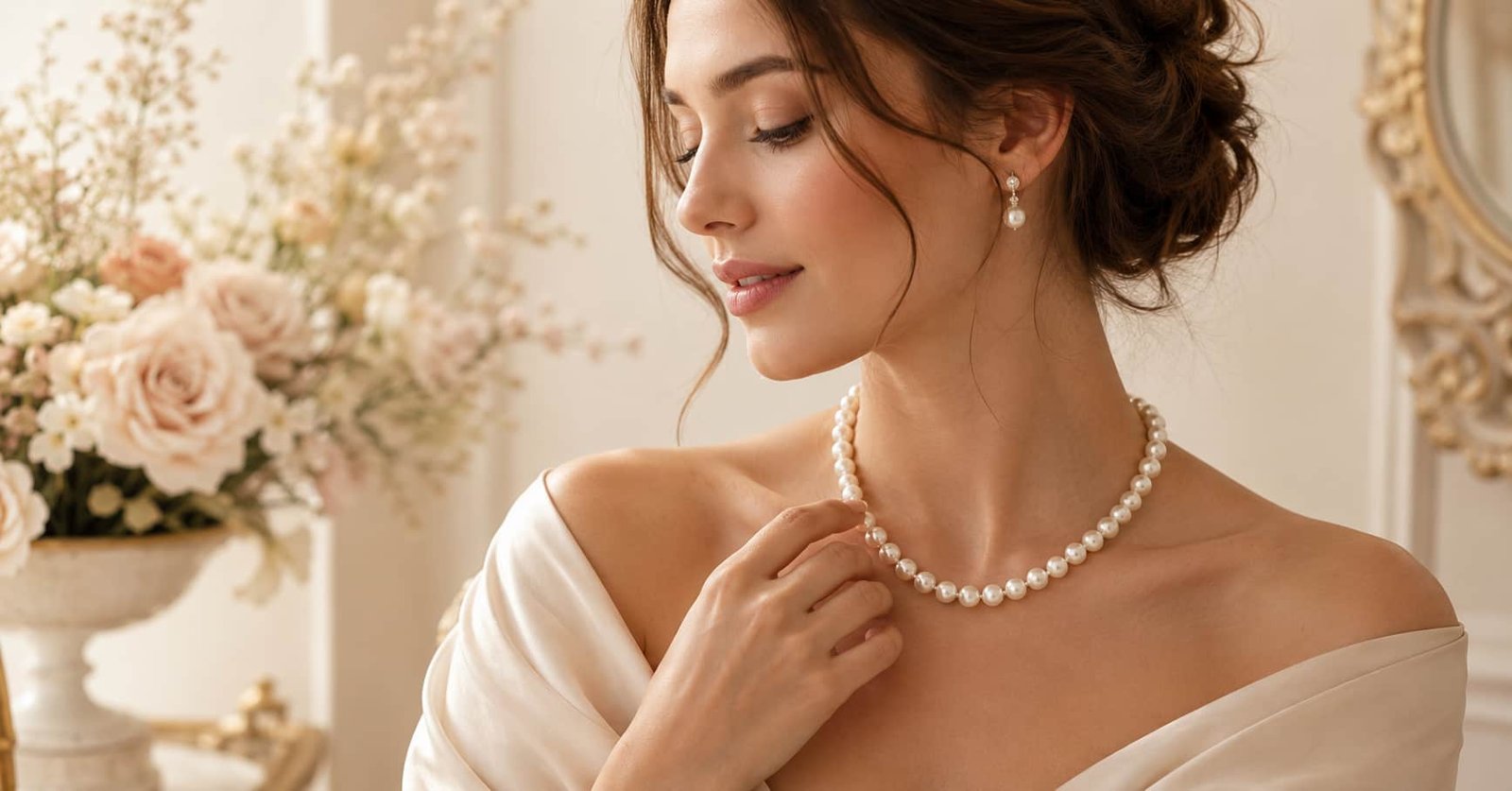
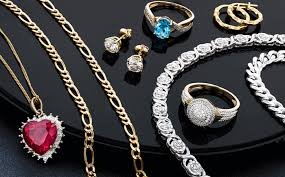
Accessories serve an important part in completing an ethnic costume by adding elegance and making the overall image balanced.
Colors are brighter, embroidery is elaborate, borders are ornate and traditional workmanship is in demand during festivals. Rich textiles with elegant decorations give a festive look while paying homage to ethnic customs. The different weaving processes provide unique silk textures that represent regional textile traditions and give timeless sophistication.
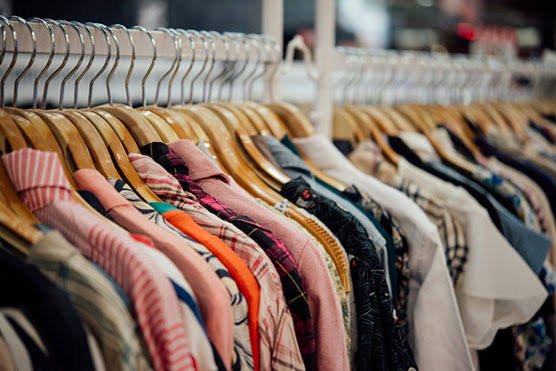
Linen is easy to wear and understatedly elegant. Light in structure, good air permeability and natural texture make it suitable for modern ethnic clothing, especially in summer. Linen clothing has a generally simple appearance and is popular among individuals who enjoy understated simplicity. Blended textiles provide practical benefits. They combine the durability, wrinkle resistance and simplicity of care of natural fibers with the look of natural fibers. These new material technologies improve regular wearability without losing visual appeal.
Choosing the right fabric will keep ethnic dress comfortable for long occasions, while retaining its elegance and structure. The contemporary footwear selections are also well suited for fusion ethnic styles. Easy to wear solutions for modern living.
The Modern Future of Ethnic Wear for Women
Women’s ethnic wear is one of the most vibrant categories of the fashion business as it continues to grow while keeping its cultural origins intact. Today’s customer is increasingly appreciating apparel that marries timeless workmanship with modern utility, and designers are reimagining old classics to keep up.
Ethnic wear has now been a major impact on sustainability. The usefulness and style of handbags and clutches. Little sleek evening bags for formal style, while bigger structured bags are suitable for work wear and day events.
Traditional workmanship, elaborate embroidery, hand woven fabrics and classic prints are now often infused in daily design, enabling ethnic ensembles to stay relevant in the continuously evolving fashion sphere.
Ethnic apparel has also become fashionable due of sustainability. The rising demand for sustainable fashion also leads to the creation of certain traditional clothing utilizing natural fibers, handwoven textiles and eco-friendly manufacturing techniques. Buying timeless ethnic clothing also supports slow fashion, since these clothes have a longer trendy life rather than short-lived seasonal fads.
And color schemes in ethnic design continue to impact mainstream collections as well. Today’s shoppers want clothes that tell a narrative and ethnic apparel frequently carries centuries of textile traditions, handmade details and regional creativity. Designers have blended traditional shapes with modern cutting, lighter materials and new styling methods to satisfy this need. This mix gives ladies the pleasure of wearing something that’s both trendy and strongly connected to culture.
Another factor for the enduring appeal of ethnic attire is its adaptability. Classic patterns may be modified for formal occasions, workplace wear, casual day outs, destination weddings, holiday occasions and even international fashion ramps. With fashion becoming more accessible and global, women’s ethnic wear continues to blur the lines between tradition and contemporary, generating trends that appeal to all generations and cultures.
The Shift from Conventional Styles to Contemporary Fashion
Comfortable fits, breathable fabrics and wrinkle-resistant materials in ethnic wear provide varied style alternatives that may be worn for daily situations, instead of being restricted to special events. This progression has widened its reach to include younger demographics looking for apparel that expresses cultural pride as well as contemporary views.
This change has been significantly influenced by fusion fashion. Such broad acceptance is a testament to the lasting impact of ethnic handicraft on the landscape of current fashion design.
The worldwide fashion world is still affected by traditional textile processes, which provide economic prospects for experienced artisans. This is because global buyers are looking for authenticity and handcrafted craftsmanship. Purchasing clothing made by hand helps to retain local craftsmanship, and supports the continuance of cultural legacy that may otherwise be lost to industrial mass manufacturing.
Another evergreen benefit of ethnic apparel is its ageless attractiveness. Traditional clothing is fashionable for many years, as opposed to trend-sensitive fashion which swiftly goes out of style.
Summary
Ethnic Wear has moved beyond the confines of ceremonial events and become a fixture in everyday and professional wardrobes. This flexibility means you get the most value from your outfit and less unneeded expenditure. With the growing consciousness of the environment influencing purchase choices, ethnic apparel is just the right blend of style, quality and sustainability.