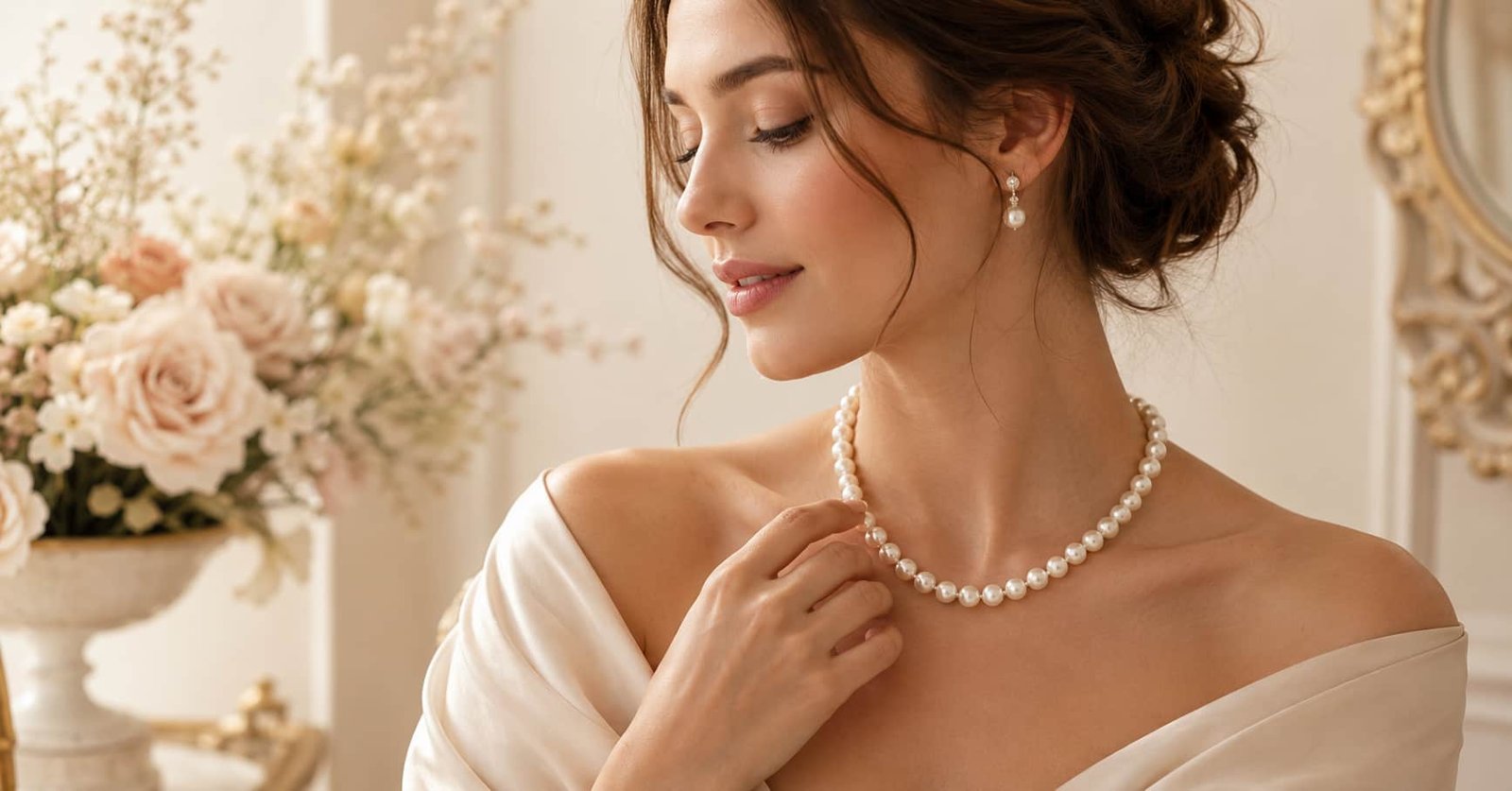
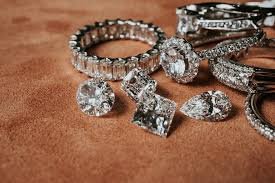
Custom Jewelry: Jewelry has had more than a decorative purpose. It is about people and their experiences, feelings, achievements and style. Mass-produced jewellery is convenient and affordable, but many consumers now want something a little more significant and unique. This rising demand has led to the rise of bespoke jewellery manufacture, where ideas are translated into magnificent wearable items.
Learning from how bespoke jewellery makers create their unique designs, corporations and individual clients will be able to make educated selections when designing extraordinary pieces of jewellery.
With this constant rise in demand, Custom Jewelry Manufacturers become all the more important, transforming ideas into stunning pieces of jewellery.
Understanding the Production of Custom Jewellery
Custom Jewellery Manufacturing is the art of fabrication and creating jewellery based on unique specifications instead of pre-made patterns. Custom jewellery is designed based on the customer’s vision, preferences and requirements, unlike retail jewellery.
The process frequently starts with an idea. others drawings may be hand drawn by customers, others may be images, inspiration boards or computer conceptions. Then the manufacturers translate those concepts into technical designs for use in manufacturing.
With custom manufacturing, you get to choose every part of how the jewellery is made – from the metal to the gemstones to the size to the kind of setting to the finish to the engraving possibilities. This degree of customisation is so high that every item represents the customer’s personality and purpose. A unique item may communicate a narrative that regular jewellery just can’t.
Custom manufacturing offers jewellery manufacturers a chance to distinguish items in a competitive industry. Unique designs not only attract clients who want something different, but also help companies build a strong personality.
Creativity, uniqueness and emotional value together make personalised jewellery one of the fastest growing divisions of the jewellery business.
From Ideas to Professional Designs
The first step in the process of making personalised jewellery is turning ideas into professional designs. This phase is the basis of the whole manufacturing process.
Design professionals collaborate closely with customers to understand their concept. They collect information regarding favourite styles, jewels, metal kinds, sizes and financial needs. The objective is to verify that all design details fit with customer expectations.
Jewellery makers use very sophisticated computer-aided design technologies to produce very precise digital models. The customer may see the finished artwork using these digital mock-ups before any work has been carried out.
Then there are several changes in the design stage to perfect dimensions, placements of stone, settings and ornamental features. This collaborative method helps to guarantee that the final design is true to the original idea, and is structurally solid and feasible to produce.
Manufacturers use a blend of creative flair and technical accuracy in the creation of comprehensive plans that guide each step of the manufacturing process.
Advanced Technology in Jewellery Manufacturing – Why It’s Important
Technology has revolutionised the personalised jewellery business, offering increased accuracy, efficiency and creative freedom.
Computer assisted design software also helps the makers to build extremely detailed three dimensional models, which can be seen from all angles. These computerised models aid in identifying possible problems before manufacturing starts and decrease the chance of expensive errors.
Three-dimensional printing has made the production process better. Jewellery prototypes may be made rapidly so that customers can physically examine the design before final manufacturing.
Laser technology is often used for engraving, cutting and fine finishing. It gives you amazing precision and also consistency over numerous pieces. The choice of materials is the key in bespoke jewellery making. The selection of the metals, gemstones and finishing treatments has a great influence on the beauty, durability and value of the finished product.
Some popular precious metals are gold, silver, platinum and combinations of alloys. Each material gives different qualities such as colour, hardness, weight and upkeep needs.
The gemstone choice is also very essential. The finishing touches are done by hand, giving the finished object individuality and polish. The required look is obtained via polishing, engraving, texturing, and ornamental details. These initiatives serve to lessen the environmental effect and enhance social responsibility.
Sustainability-minded customers generally want to buy from firms that share similar ideals. Ethical manufacturing techniques are good for the environment and good for your brand’s reputation and trust.
As sustainability increasingly informs buying choices, ethical manufacturing is becoming an integral feature of bespoke jewellery manufacture.
Advantages of Working with Custom Jewellery Designers
Selecting a bespoke jewellery maker has several benefits for both people and corporations. Its biggest value is the flexibility to be creative. “Every aspect of the jewellery can be customised so clients will have pieces that are truly reflective of their vision.
Custom manufacturing also offers better control over quality, materials and standards of production. Customers may choose superior components and follow their expectations through the process.
High standards of beauty, (Custom Jewelry) usefulness and durability are achieved via the use of sophisticated production techniques in conjunction with traditional workmanship.
Custom jewellery makers are an integral part of a jewellery brand’s journey to growth and success. Many companies depend on manufacturing partners to turn their ideas into collections suitable for the market. Innovation, personalisation and technology are transforming the future of personalised jewellery manufacture.
Artificial intelligence is starting to impact design creation to assist in providing personalised suggestions according to client choices. Customers may soon get to try jewellery ideas before they are made using virtual and augmented reality equipment.
During product development, manufacturers give important assistance that helps businesses optimise designs, pick materials and determine the best manufacturing procedures. This partnership enables companies to concentrate on marketing, sales and client involvement.
Custom manufacturing also allows firms to produce special collections that set them apart from the competition. Unique designs may help create a recognisable personality and generate a devoted consumer base.
The manufacturer’s scalable manufacturing capability can handle both small-batch requests and big production runs. This flexibility provides for organisations at different development phases.
Conclusion
Custom production gives unequalled flexibility and creative freedom, whether for personal usage, special events or business collections.