The early years of childhood are filled with rapid growth, curiosity, and discovery. During this stage, children develop essential communication, social, cognitive, and motor skills that influence future learning experiences. For families searching for toddler learning programs Seattle, choosing an environment that supports these milestones can make a meaningful difference in a child’s development.
Quality early learning goes beyond keeping toddlers occupied during the day. It creates opportunities for children to ask questions, solve problems, build relationships, and develop confidence through carefully planned activities. Programs like Lil People World emphasize developmentally appropriate learning experiences that help toddlers build a strong foundation for future success. Parents who understand what makes an effective toddler program can make informed decisions that benefit their child’s long-term growth.
Why the Toddler Years Matter So Much
Toddlers learn through constant interaction with the people and environment around them. Every conversation, game, story, and hands-on activity contributes to brain development and helps children understand the world.
During these formative years, children begin developing:
- Language and communication skills
- Emotional regulation
- Social interaction abilities
- Fine and gross motor coordination
- Early problem-solving skills
- Curiosity and independent thinking
Rather than relying on formal academic instruction, successful early learning programs encourage exploration through purposeful play. This balanced approach allows children to develop naturally while gaining important foundational skills.
What Defines High-Quality Toddler Learning Programs?
Not every program offers the same learning experience. Families should look beyond colorful classrooms and focus on the educational practices that truly support child development.
Experienced and Responsive Educators
Teachers play one of the most significant roles in early childhood education. Skilled educators understand developmental milestones and know how to encourage learning while responding to each child’s unique needs.
They create opportunities for children to:
- Practice communication
- Build confidence
- Learn cooperation
- Express emotions appropriately
- Develop independence
Responsive teachers also recognize that toddlers learn at different rates and adjust activities accordingly.
Learning Through Purposeful Play
Play is far more than entertainment for young children. It serves as the foundation for learning across every developmental area.
Examples of purposeful play include:
- Building with blocks
- Pretend play
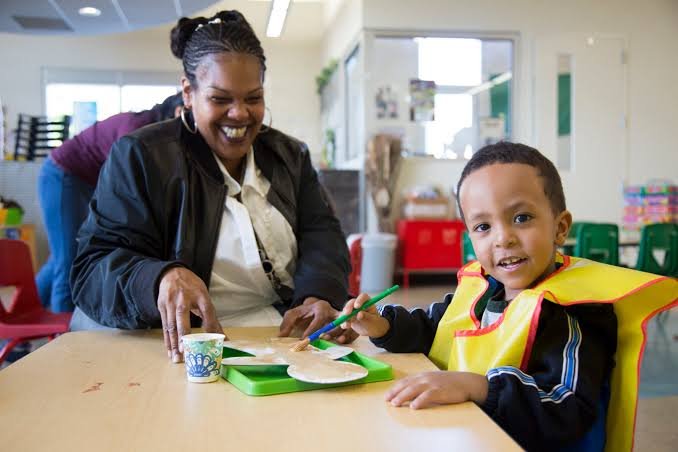
- Art exploration
- Music and movement
- Nature activities
- Simple science exploration
- Storytelling
- Sensory experiences
Each activity strengthens multiple developmental skills while maintaining children’s natural enthusiasm for learning.
The Value of Structured Daily Routines
Toddlers benefit from consistency. Predictable daily schedules help children feel secure while reducing anxiety during transitions.
An effective daily routine often includes:
- Welcome activities
- Circle or group learning
- Outdoor play
- Creative exploration
- Meals and snacks
- Rest time
- Storytime
- Free choice learning
- Parent pickup transition
These routines help children understand expectations while supporting self-regulation and independence.
Supporting Social and Emotional Development
Learning extends well beyond numbers and letters. Emotional intelligence plays a major role in future academic success and healthy relationships.
High-quality programs intentionally teach children how to:
- Share with others
- Wait patiently
- Express feelings appropriately
- Solve simple conflicts
- Show empathy
- Build friendships
- Follow group expectations
These daily interactions help toddlers become more confident in group settings while strengthening communication skills.
Language Development Happens Throughout the Day
Language learning occurs continuously during everyday experiences rather than only during reading sessions.
Educators encourage vocabulary growth by:
- Asking open-ended questions
- Reading interactive books
- Singing songs
- Encouraging conversations
- Naming objects and actions
- Introducing new descriptive words
- Supporting storytelling
The more meaningful conversations toddlers experience, the stronger their communication abilities become.
Encouraging Cognitive Growth Through Exploration
Toddlers naturally investigate their surroundings. Effective learning environments encourage this curiosity by offering hands-on experiences that inspire questions and experimentation.
Children strengthen cognitive skills while:
- Sorting objects
- Matching colors
- Completing simple puzzles
- Counting everyday items
- Exploring cause and effect
- Comparing sizes and shapes
- Observing nature
These activities build early mathematical thinking, memory, reasoning, and problem-solving abilities without creating unnecessary academic pressure.
Physical Development Supports Overall Learning
Movement is essential for toddler development. Physical activity contributes to healthy brain development while improving coordination, balance, and confidence.
A well-rounded program includes opportunities for:
Gross Motor Development
Children practice larger movements through:
- Running
- Climbing
- Jumping
- Dancing
- Balancing
- Outdoor obstacle courses
Fine Motor Development
Smaller muscle control develops through activities like:
- Drawing
- Painting
- Building with small blocks
- Stringing beads
- Playdough manipulation
- Using child-safe scissors
Both areas contribute to future readiness for writing and other classroom tasks.
Creating an Environment That Inspires Learning
The learning environment influences how children interact, explore, and engage throughout the day.
Strong toddler classrooms typically include:
- Clearly organized activity centers
- Age-appropriate learning materials
- Comfortable reading spaces
- Sensory exploration stations
- Safe outdoor play areas
- Accessible art supplies
- Hands-on discovery materials
A thoughtfully designed classroom encourages independence while supporting curiosity and creativity.
The Importance of Family Partnerships
Parents remain a child’s first and most influential teachers. The strongest early learning programs build meaningful partnerships with families to create consistency between home and school.
Effective communication may include:
- Daily updates
- Developmental observations
- Parent conferences
- Learning activity suggestions
- Family engagement opportunities
When educators and families work together, children benefit from consistent encouragement across different environments.
Preparing Children for Future School Success
School readiness involves much more than recognizing letters and numbers. Children who enter preschool or kindergarten successfully often possess strong foundational life skills.
These include:
- Listening to instructions
- Following routines
- Managing emotions
- Working with peers
- Asking questions
- Demonstrating curiosity
- Completing simple tasks independently
- Adapting to new situations
These competencies provide a strong foundation for future academic learning.
Choosing the Right Program for Your Child
Every family has unique priorities, but several factors consistently indicate a quality toddler learning program.
When evaluating options, consider:
- Teacher qualifications and experience
- Child-to-teacher ratios
- Safety procedures
- Classroom environment
- Daily learning activities
- Outdoor play opportunities
- Parent communication practices
- Cleanliness and organization
- Developmentally appropriate curriculum
Observing how teachers interact with children often provides valuable insight into the overall quality of the program.
Why Play-Based Learning Continues to Gain Recognition
Research consistently supports play-based learning as one of the most effective approaches during early childhood.
Play allows children to:
- Practice decision-making
- Build creativity
- Develop resilience
- Strengthen communication
- Improve memory
- Learn collaboration
- Increase attention spans
Rather than separating learning from play, quality programs integrate educational objectives into engaging everyday experiences.
Supporting Lifelong Curiosity
Children who enjoy learning early in life often carry that enthusiasm into later educational experiences. Encouraging exploration instead of memorization helps develop intrinsic motivation.
Simple opportunities to investigate, experiment, ask questions, and discover solutions help toddlers become active learners rather than passive participants.
Educators foster this curiosity by creating inviting experiences that encourage children to think independently while providing gentle guidance when needed.
The Role of Safe and Nurturing Relationships
Young children thrive when they feel emotionally secure. Warm, responsive relationships with trusted caregivers provide the confidence toddlers need to explore unfamiliar experiences.
Positive interactions help children:
- Build self-confidence
- Develop trust
- Feel comfortable trying new activities
- Strengthen resilience
- Learn emotional regulation
These relationships become an important part of a child’s overall development and learning journey.
Looking Beyond Early Academics
Many parents understandably want children to begin learning letters and numbers early. However, balanced development often leads to stronger long-term educational outcomes.
Programs that combine academics with social, emotional, physical, and creative development help children become well-rounded learners prepared for future challenges.
Instead of focusing solely on worksheets or rote memorization, quality early education creates meaningful experiences that support every area of development simultaneously.
Final Thoughts
Choosing the right early learning environment is one of the most meaningful investments families can make during the early years. High-quality toddler learning programs Seattle provide children with opportunities to develop communication, confidence, creativity, and problem-solving skills through engaging, developmentally appropriate experiences.
At Lil People World, families can find an early learning environment that values purposeful play, nurturing relationships, and individualized support to help toddlers grow into confident, curious learners. By combining experienced educators, engaging activities, and strong family partnerships, quality toddler programs help build the foundation children need for continued success both inside and outside the classroom.