
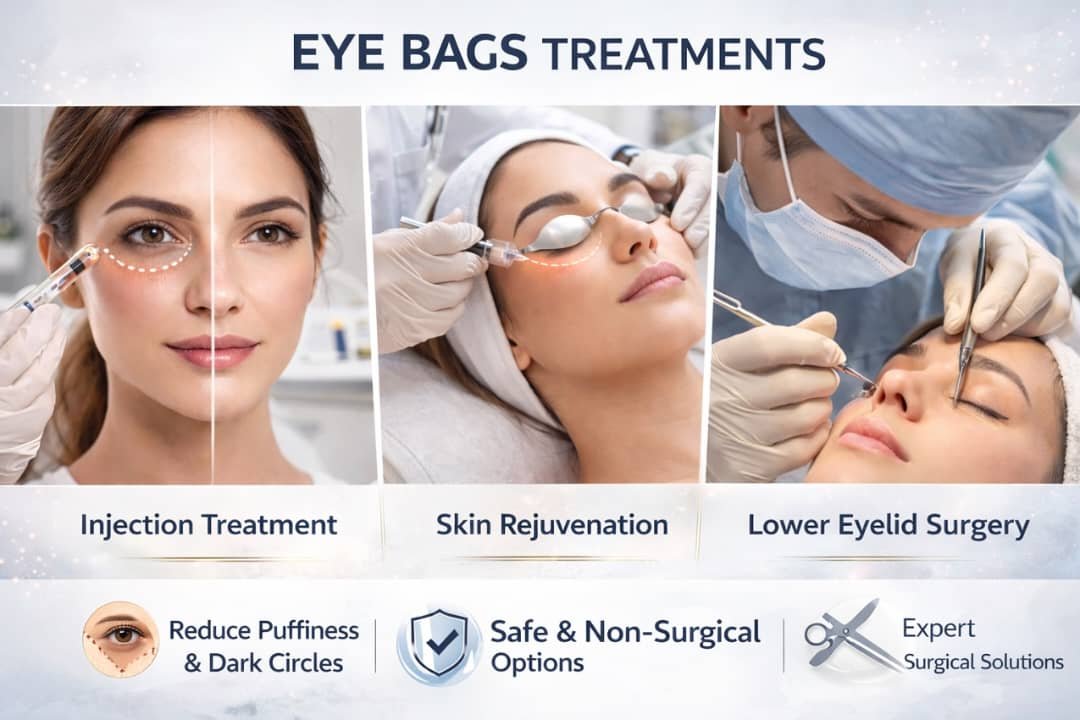
Under-eye bags are common aesthetic concerns that can make individuals appear tired, aged, or stressed even when they feel well-rested. These puffy or dark under-eye areas often result from aging, fat displacement, fluid retention, or skin laxity. Modern dermatology and aesthetic medicine now offer a wide range of eye bags treatments that are clinically proven, safe, and highly effective for long-term improvement.
Understanding the Causes of Eye Bags
Before choosing a clinical treatment, it is essential to understand the underlying cause of eye bags. In many cases, eye bags develop due to weakened muscles and tissues around the eyes as collagen production decreases with age. Fat that normally supports the eyes may shift downward into the lower eyelids, creating a puffy appearance. Fluid retention, genetics, allergies, and lifestyle factors such as lack of sleep or high salt intake can also contribute to under-eye puffiness.
Clinical diagnosis helps determine whether the issue is caused by fat herniation, pigmentation, loose skin, or hollow tear troughs. This distinction is important because each condition requires a specific medical approach rather than a one-size-fits-all solution.
Injectable Dermal Fillers for Tear Trough Correction
One of the most popular clinical solutions for under-eye bags is hyaluronic acid-based dermal fillers. These fillers are strategically injected into the tear trough area to smooth the transition between the lower eyelid and cheek, reducing the shadow that creates the illusion of eye bags.
Dermal fillers work best for patients whose eye bags are caused by volume loss or hollowing rather than excess fat. The procedure is minimally invasive, typically takes less than 30 minutes, and provides immediate results. Effects can last between 9 to 18 months depending on the filler type and individual metabolism. When performed by a qualified medical professional, fillers offer natural-looking and safe correction with minimal downtime.
Lower Blepharoplasty (Eyelid Surgery)
Lower blepharoplasty is considered the gold standard surgical treatment for persistent and severe under-eye bags. This clinical procedure involves removing or repositioning excess fat and tightening loose skin under the eyes. It is particularly effective for individuals with hereditary eye bags or significant fat protrusion.
The surgery is performed by a plastic surgeon under local or general anesthesia. Recovery usually takes 1–2 weeks, during which swelling and bruising gradually subside. Results are long-lasting and can dramatically rejuvenate the eye area, making it one of the most definitive clinical interventions for chronic eye bags.
Laser Resurfacing Treatments
Laser therapy is an advanced dermatological procedure designed to tighten skin, improve texture, and reduce pigmentation under the eyes. Fractional CO2 lasers and erbium lasers are commonly used to stimulate collagen production and improve skin elasticity.
Laser resurfacing works especially well for patients with mild to moderate eye bags caused by skin laxity and fine lines. Over multiple sessions, the skin becomes firmer and smoother, reducing the appearance of puffiness and dark circles. This treatment also enhances overall skin tone, making it a dual-benefit clinical solution.
Radiofrequency (RF) Skin Tightening
Radiofrequency therapy is a non-surgical clinical treatment that uses controlled heat energy to stimulate collagen remodeling beneath the skin. Devices such as Thermage and other RF-based technologies target loose under-eye skin, tightening it gradually over time.
RF treatments are ideal for patients in early stages of aging who are not ready for surgery but want medically supervised results. The procedure is painless, requires no downtime, and results improve progressively over 2–3 months as collagen production increases.
Chemical Peels for Under-Eye Rejuvenation
Medical-grade chemical peels are used to treat pigmentation, fine wrinkles, and dull skin under the eyes. Dermatologists apply a controlled chemical solution that exfoliates damaged skin layers and promotes new cell regeneration.
Light to medium-depth peels containing lactic acid, glycolic acid, or trichloroacetic acid (TCA) are commonly used for delicate under-eye areas. These clinical peels help reduce discoloration and improve skin brightness, indirectly minimizing the appearance of eye bags caused by shadows and uneven skin tone.
Platelet-Rich Plasma (PRP) Therapy
PRP therapy, often called the “vampire facial” for eyes, is a regenerative medical treatment that uses the patient’s own blood plasma to stimulate healing and collagen production. The plasma, rich in growth factors, is injected into the under-eye region to improve skin thickness and elasticity.
PRP is particularly beneficial for thin, crepey under-eye skin and dark circles that accentuate eye bags. Since it uses the patient’s own biological material, the risk of allergic reaction is minimal. Results develop gradually over several weeks and can last up to a year with maintenance sessions.
Microneedling with Growth Factors
Microneedling is a clinically approved treatment that involves creating controlled micro-injuries in the skin using fine needles. This process triggers natural collagen and elastin production, leading to firmer and smoother under-eye skin.
When combined with growth factors or medical serums, microneedling enhances skin regeneration and reduces mild puffiness and wrinkles. It is a minimally invasive procedure with short recovery time and visible improvement after a few sessions.
Fat Reduction and Repositioning Procedures
For patients with pronounced fat deposits under the eyes, advanced clinical techniques such as fat repositioning or fat dissolving treatments may be recommended. These procedures aim to redistribute or reduce the bulging fat pads that cause under-eye bags.
Fat repositioning is often performed during blepharoplasty, while certain non-surgical fat-reduction technologies may be suitable for mild cases. A specialist evaluation is necessary to determine the safest and most effective option based on facial anatomy.
Combination Clinical Treatments for Optimal Results
In many cases, dermatologists recommend a combination approach rather than a single treatment. For example, fillers may be paired with laser resurfacing to address both volume loss and skin laxity. Similarly, PRP combined with microneedling can significantly enhance collagen regeneration and under-eye firmness.
A customized treatment plan ensures that all contributing factors—fat, skin, and pigmentation—are addressed simultaneously for comprehensive rejuvenation.
Safety and Professional Consultation
Clinical treatments for eye bags should always be performed by certified dermatologists, plastic surgeons, or trained aesthetic physicians. The under-eye area is delicate, and improper techniques can lead to complications such as swelling, asymmetry, or vascular issues.
A detailed consultation typically includes facial analysis, medical history review, and discussion of expectations. This helps determine the most suitable treatment while ensuring safety and effectiveness.
Expected Results and Recovery Timeline
Recovery and results vary depending on the chosen clinical procedure. Non-invasive treatments like fillers, PRP, and RF therapy usually have minimal downtime, while surgical options such as blepharoplasty require a longer healing period. Most patients notice visible improvement within weeks, with full results appearing over a few months.
Long-term outcomes depend on factors such as age, skin quality, lifestyle, and maintenance treatments. Following post-procedure care instructions significantly enhances results and longevity.
Final Thoughts on Clinical Eye Bag Treatments
Advancements in aesthetic medicine have made it possible to treat under-eye bags effectively without relying on temporary or ineffective solutions. From minimally invasive injectables to surgical correction and advanced laser technologies, clinical treatments offer scientifically backed and long-lasting results.
Choosing the right medical treatment depends on the underlying cause, severity of eye bags, and individual aesthetic goals. Consulting an experienced specialist ensures a tailored approach that restores a youthful, refreshed, and well-rested appearance while maintaining natural facial harmony.
Grace Whitfield is a professional health and aesthetic medicine writer specializing in eye bag treatments, under-eye rejuvenation, and non-surgical cosmetic solutions. She is known for translating medical and aesthetic concepts into clear, reader-friendly content that helps individuals understand treatment options, safety considerations, and effective ways to improve under-eye appearance and overall skin health.