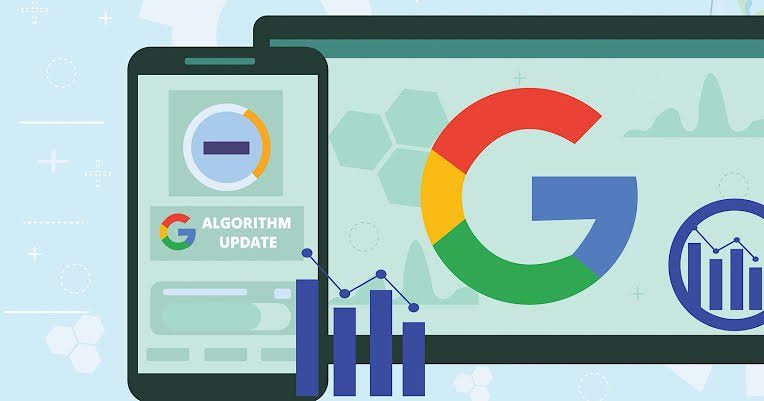
Algorithm: If your organic traffic has felt like a rollercoaster this year, you’re not imagining it. Google has been busy in 2026, releasing a steady run of core and spam updates while quietly revising the guidance site owners rely on.
For Australian businesses that depend on search visibility, knowing what changed and why it matters is the first step towards protecting your rankings.
This article covers the latest algorithm updates, what the industry expects next, and a practical action plan you can start on today.
Table of Contents
A Quick Recap of Google’s 2026 Updates So Far
Two Core Updates in the First Half of the Year
Google’s broad core updates are the big ones. They reassess how content is ranked across the whole web rather than targeting individual sites. Google has rolled out two core updates in 2026: the March 2026 core update, which ran from 27 March to around 8 April, and the May 2026 core update, which ran from 21 May to around 2 June, with each taking roughly 12 days to complete.
The year actually opened with a narrower change. A Discover-only update began on 5 February and took around 22 days to roll out, which hit publishers who rely heavily on Google Discover for traffic.
A Steady Stream of Spam Updates
While core updates grabbed the headlines, spam updates were the real workhorses of 2026. Google ran spam updates starting 24 March, 24 June, 18 August and 24 September. The most recent one stood out for its length. Google launched the September 2026 spam update on 24 September and listed it as complete on 8 October. That rollout ran considerably longer than any of the three earlier spam updates this year.
October 2026: A Quiet Dashboard, Noisy Rankings
Many site owners have reported unusual movement this month, but there’s no official update to point to. As of 19 October, Google had not confirmed any October search update, and the most recent ranking entry on its Search Status Dashboard was still the September spam update. Forum users have described plunging Discover traffic, Google News surfacing outdated stories, and Search Console data lagging by several days.
It’s worth remembering that the dashboard only shows updates Google chooses to announce, so a blank October doesn’t mean nothing changed. Discover and Google News also run on systems separate from core web ranking.
The most concrete change this month came through documentation rather than code. Reports point to a 1 October revision of Google’s AI content guidance that added language drawn from its Search Quality Rater materials, and Google’s helpful content page was also updated on 5 October 2026, making it worth re-reading.
Is a Bigger Core Update on the Horizon?
Many in the SEO community believe so. Analysts point to three signals: no broad core update since May, freshly rewritten Google guidance in October, and a quicker cadence of spam updates. History supports the idea too, as Google averaged roughly 3.3 core updates a year between 2022 and 2025.
Some commentators are predicting the next one will focus squarely on quality. Several analysts expect a Panda-style broad update aimed at thin, mass-produced and poorly supported content, with scaled AI-generated pages tipped as the most likely casualties. Google, however, has not confirmed any such update. Treat these predictions as informed speculation, not fact, and keep an eye on the official dashboard.
How Long Does Recovery Take?
If your site lost ground in a recent update, patience is essential. At Search Central Live in Barcelona on 2 October 2026, Google’s Gary Illyes reportedly said recovery typically takes three to six months and can stretch to a year in the slowest cases. These figures come from an attendee’s account rather than an official Google publication.
There is some good news, though. In December 2025, Google added a note to its core updates documentation explaining that sites which improve their content can climb in results without waiting for the next major core update, thanks to smaller, unannounced refinements that happen continuously.
Seven Practical Steps to Stay Ahead of Algorithm Changes
Rather than chasing every ranking fluctuation, focus on the fundamentals that each update keeps rewarding:
- Confirm before you react. Check Google’s Search Status Dashboard to see whether an update is actually rolling out, and wait until it has finished before analysing your data. Comparing the wrong date ranges is one of the most common mistakes after an update.
- Separate your traffic sources. Look at web search, Discover and Google News individually in Search Console. A Discover drop may have nothing to do with your core rankings.
- Audit for thin or scaled content. Identify pages that add little original value, especially bulk AI-generated content with no expert review. Improve, consolidate or remove them before the next broad update arrives.
- Strengthen your on-page fundamentals. The Australian Government’s Style Manual guidance on findable content is a free, trusted reference here. It stresses the importance of metadata, keywords and page structure, and recommends placing keywords in URLs, metadata and content while linking to high-quality sources.
- Show genuine experience and expertise. Add author bios, cite credible sources, include original data or case studies, and keep information current. These are the signals people-first content guidelines consistently favour.
- Learn directly from Google. The Search Off the Record podcast on YouTube features members of Google’s Search Relations team discussing how search works behind the scenes. Start with the Search Off the Record playlist on YouTube, which includes an episode dedicated to ranking updates.
- Play the long game. Given the three-to-six-month recovery window, commit to steady, ongoing improvements instead of rushed fixes. Document every change so you can measure what actually works.
Why Professional Support Pays Off
Algorithm updates reward consistency, quality and technical health, but keeping on top of all three while running a business is a challenge. Interpreting volatility, separating real updates from noise and prioritising the right fixes takes time and experience.
Partnering with a trusted seo agency Brisbane businesses rely on can help you audit your site, respond calmly to each update and build a strategy that holds up regardless of what Google releases next.
Final Thoughts
The latest algorithm updates tell a clear story. Google is doubling down on helpful, trustworthy content while steadily cracking down on spam and low-effort pages.
Whether or not a major core update lands before the end of 2026, the sites that will come through strongest are those already focused on real value for real people.
Start with the seven steps above, keep watching the Search Status Dashboard, and treat every update as an opportunity to make your website genuinely better.