Introduction
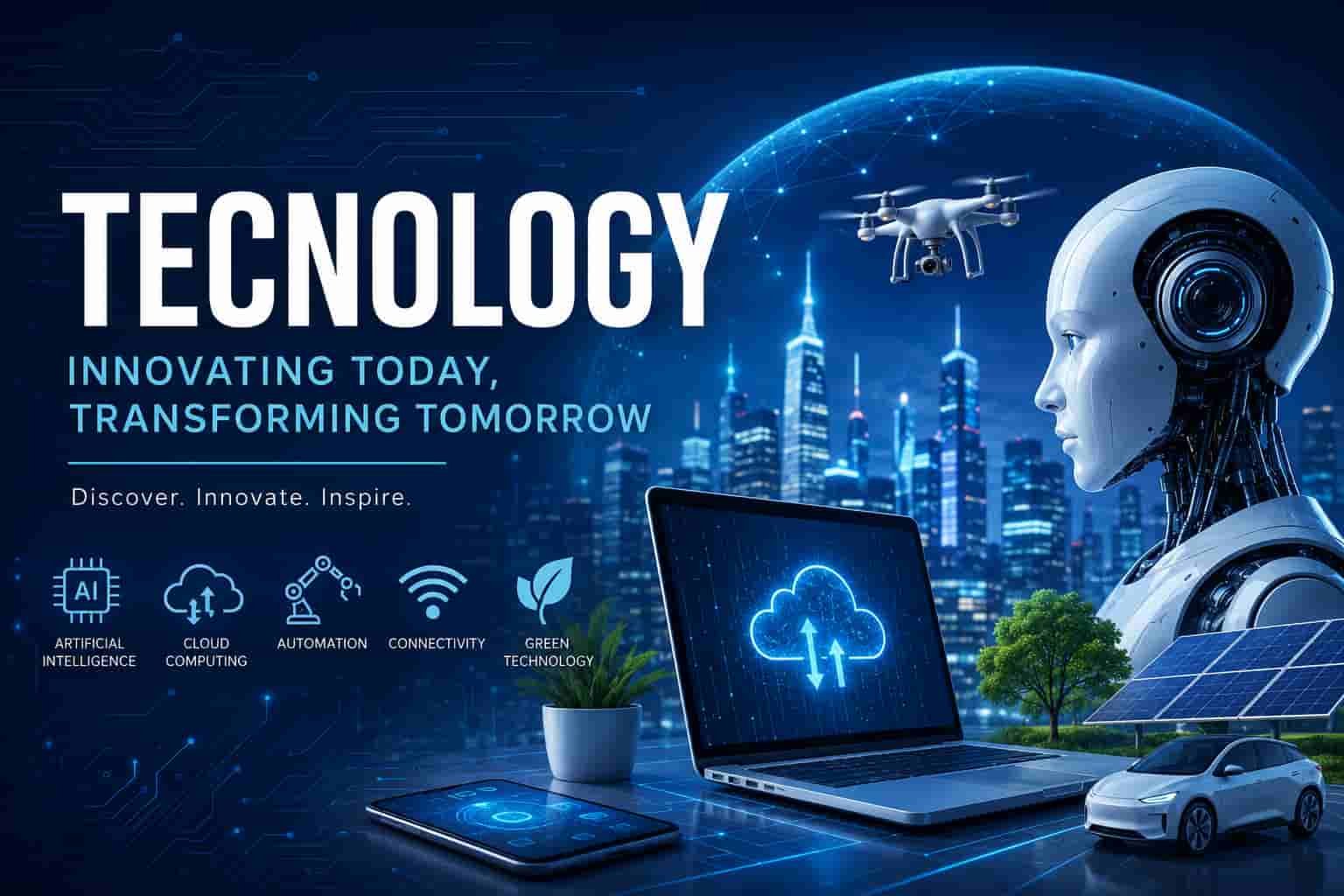
Tecnology has become an essential part of modern life, influencing the way people communicate, work, learn, and entertain themselves. Although many people search for the term “tecnology,” it refers to technology, the application of scientific knowledge to create tools, systems, and solutions that improve everyday life. From smartphones and artificial intelligence to cloud computing and smart homes, technology continues to evolve at an incredible pace.
Today, businesses, schools, healthcare providers, and individuals rely on technology to perform tasks more efficiently and stay connected. As innovation continues, understanding the benefits, challenges, and future of technology becomes increasingly important.
What Is Tecnology?
Tecnology refers to the use of scientific knowledge, engineering, and innovation to develop tools, machines, software, and systems that solve problems and make life easier. It covers a wide range of fields, including information technology, robotics, communication, healthcare, transportation, and manufacturing.
Technology has evolved from simple tools used by ancient civilizations to advanced digital systems powered by artificial intelligence and automation.
Why Tecnology Is Important
Technology plays a significant role in almost every aspect of life. It helps people complete tasks faster, access information instantly, and communicate across the globe.
Some major benefits include:
- Faster communication
- Improved healthcare services
- Better educational opportunities
- Increased business productivity
- Enhanced entertainment options
- Smarter transportation systems
Without technology, many of the conveniences people enjoy today would not exist.
Types of Tecnology
Information Technology (IT)
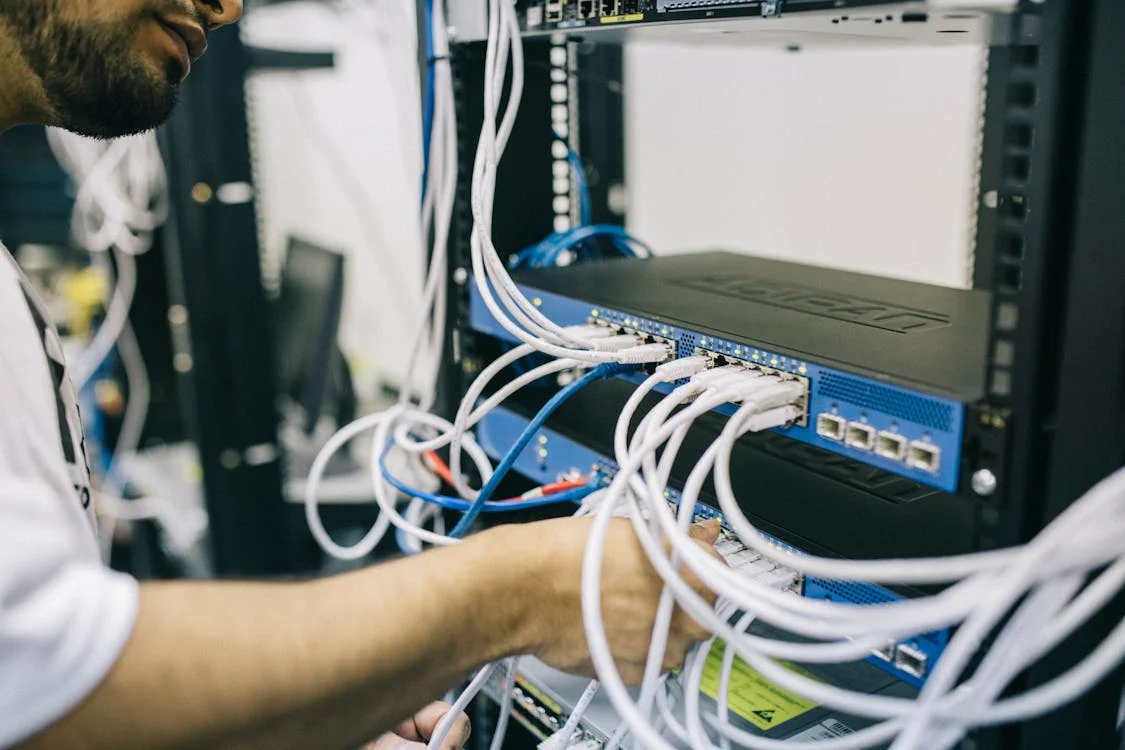
Information technology focuses on computers, software, networks, and data management. Businesses use IT systems to store information, improve communication, and protect sensitive data.
Communication Technology
Communication technology includes smartphones, email, social media, video conferencing, and messaging applications. These tools help people stay connected regardless of distance.
Medical Technology
Medical technology has revolutionized healthcare through advanced diagnostic equipment, robotic surgery, wearable health devices, and telemedicine services. These innovations improve patient care and treatment outcomes.
Artificial Intelligence (AI)
Artificial intelligence enables computers to perform tasks that normally require human intelligence. AI powers virtual assistants, recommendation systems, self-driving vehicles, and advanced data analysis.
Green Technology
Green technology focuses on protecting the environment by reducing pollution and conserving natural resources. Solar panels, electric vehicles, and renewable energy systems are excellent examples.
Benefits of Tecnology
Improved Communication
People can communicate instantly through video calls, messaging apps, and social media platforms. Families, businesses, and organizations remain connected worldwide.
Better Education
Students can access online courses, educational videos, digital libraries, and virtual classrooms from anywhere. Technology has made learning more flexible and accessible.
Increased Productivity
Businesses automate repetitive tasks using software and artificial intelligence. Employees can collaborate efficiently through cloud-based platforms and project management tools.
Healthcare Advancements
Doctors use advanced medical equipment for early diagnosis and accurate treatments. Patients also benefit from wearable devices that monitor their health in real time.
Business Growth
Technology allows businesses to reach global customers through websites, online stores, and digital marketing. Small companies can now compete with larger organizations more effectively.
Challenges of Tecnology
Despite its many advantages, technology also presents several challenges.
Cybersecurity Risks
As more information is stored online, cyberattacks and data breaches have become major concerns. Strong passwords, encryption, and regular software updates help improve security.
Privacy Issues
Many online services collect user data. Individuals should understand privacy settings and protect their personal information while using digital platforms.
Digital Addiction
Excessive use of smartphones, social media, and gaming can negatively affect physical and mental health. Maintaining a healthy balance between online and offline activities is essential.
Job Automation
Automation and artificial intelligence can replace certain repetitive jobs. However, they also create new career opportunities in software development, cybersecurity, robotics, and data science.
Tecnology in Everyday Life
Technology has become deeply integrated into daily routines.
People use smartphones for communication, online banking, shopping, navigation, and entertainment. Smart home devices control lighting, security systems, and appliances remotely.
Students attend online classes, professionals work remotely, and consumers purchase products through e-commerce websites. Digital payment systems have also made financial transactions faster and more secure.
Future of Tecnology
The future of technology looks promising. Emerging innovations are expected to transform industries even further.
Some exciting future trends include:
- Artificial intelligence becoming more advanced
- Expansion of 5G and faster internet connectivity
- Growth of smart cities
- Increased use of renewable energy technologies
- Quantum computing breakthroughs
- Advanced robotics in healthcare and manufacturing
- Virtual and augmented reality experiences
These developments will continue improving efficiency, sustainability, and quality of life around the world.
Tips for Using Tecnology Responsibly
To enjoy the benefits of technology safely, consider these best practices:
- Keep your software updated regularly.
- Use strong and unique passwords.
- Enable two-factor authentication.
- Verify information before sharing it online.
- Limit unnecessary screen time.
- Protect your personal data and privacy.
- Learn basic cybersecurity practices.
Responsible technology use helps reduce risks while maximizing its advantages.
Conclusion
Tecnology continues to reshape the modern world by improving communication, education, healthcare, business, and countless other areas of life. As innovation advances, new opportunities will emerge alongside new challenges. By understanding technology and using it responsibly, individuals and organizations can enjoy its many benefits while protecting their privacy and security. Whether it is artificial intelligence, cloud computing, renewable energy, or smart devices, technology will remain a driving force behind global progress for years to come.
Frequently Asked Questions (FAQs)
1. What is tecnology?
Tecnology refers to technology, which is the use of scientific knowledge and innovation to create tools, systems, and solutions that improve everyday life.
2. Why is technology important?
Technology improves communication, education, healthcare, transportation, business operations, and overall productivity, making life more efficient and convenient.
3. What are the main types of technology?
The major types include information technology, communication technology, medical technology, artificial intelligence, and green technology.
4. What are the disadvantages of technology?
Some disadvantages include cybersecurity threats, privacy concerns, digital addiction, and job displacement due to automation.
5. What is the future of technology?
The future includes advancements in artificial intelligence, quantum computing, smart cities, robotics, renewable energy, virtual reality, and faster internet connectivity, all of which will continue transforming society.