
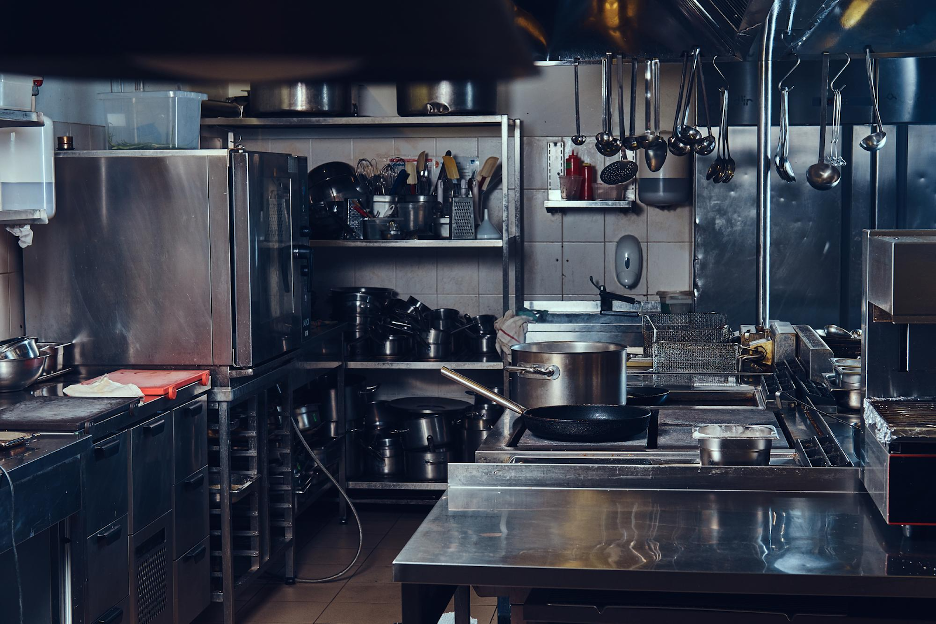
The process of opening a restaurant excites entrepreneurs, but kitchen construction work stresses inexperienced staff members. Your restaurant’s success depends on proper equipment selection, which is fundamental to kitchen operations. The checklist provides you with essential information to maintain your organization, and prevent excessive expenses. Also, ensure nothing important is missed during the setup process.
Here is a commercial kitchen equipment checklist for a new restaurant:
Cooking Equipment Essentials
The most vital component of every commercial kitchen is its cooking equipment, which establishes its identity. Your restaurant needs essential kitchen equipment, including stoves, ovens, and grills, to prepare its menu items. A restaurant needs fryers if it serves customers fried food. You may want to add steamers and microwaves to your menu options.
Your business needs to select equipment that matches its planned food offerings and anticipated customer traffic. The use of high-grade cooking equipment enables staff to prepare food more quickly. It helps to create better dining experiences during peak restaurant hours.
Refrigeration and Storage
Proper food storage creates the conditions needed to protect both food quality and food safety. Commercial kitchen equipment includes both refrigerators and freezers as essential kitchen appliances. These appliances help maintain ingredient freshness while preventing food from spoiling.
Restaurants require two types of storage space: cold and dry. Shelves and storage racks are used to organize items like grains, spices, and packaged goods. An efficient storage system enables staff members to locate necessary items quickly, as everything is organized.
Food Preparation Tools
The selection of appropriate equipment is essential for successful kitchen operations. Basic kitchen equipment consists of knives, cutting boards, mixers, and food processors. The menu you create requires you to acquire slicers, grinders, and peelers.
You should always select tools that are easy to operate and clean. Using proper preparation equipment enables your team to deliver consistent food quality while reducing the time required for dish preparation.
Cleaning and Safety Equipment
The establishment needs to provide sinks for dishwashing and dedicated handwashing stations for staff members. Using dishwashers during busy periods allows staff to save time while achieving thorough cleaning. You should maintain an inventory of cleaning supplies, including sanitizers, gloves, and brushes.
Safety equipment is essential in all situations. Fire extinguishers, first aid kits, and correct ventilation systems serve as protective measures for both employees and customers. A clean and safe kitchen area helps your business meet health code requirements.
Serving and Smallwares
Serving equipment includes plates, bowls, trays, and cutlery that are used to present food to customers. Smallwares, which include measuring cups and spoons, ladles, and tongs, are vital tools for everyday kitchen tasks. These items may seem minor, but they are used constantly in the kitchen. The kitchen needs sufficient serving and smallware inventory to provide uninterrupted service during peak business hours.
Organization and Workflow Setup
Your kitchen will function better with a proper organizational system, as it will help your staff work more effectively and experience less tension. Use shelves, racks, and labeled containers to establish an organized system that keeps your space in order. The kitchen should be designed to facilitate easy access between different operational spaces. Establishing an efficient workflow system allows your team to complete tasks more quickly while reducing mistakes.