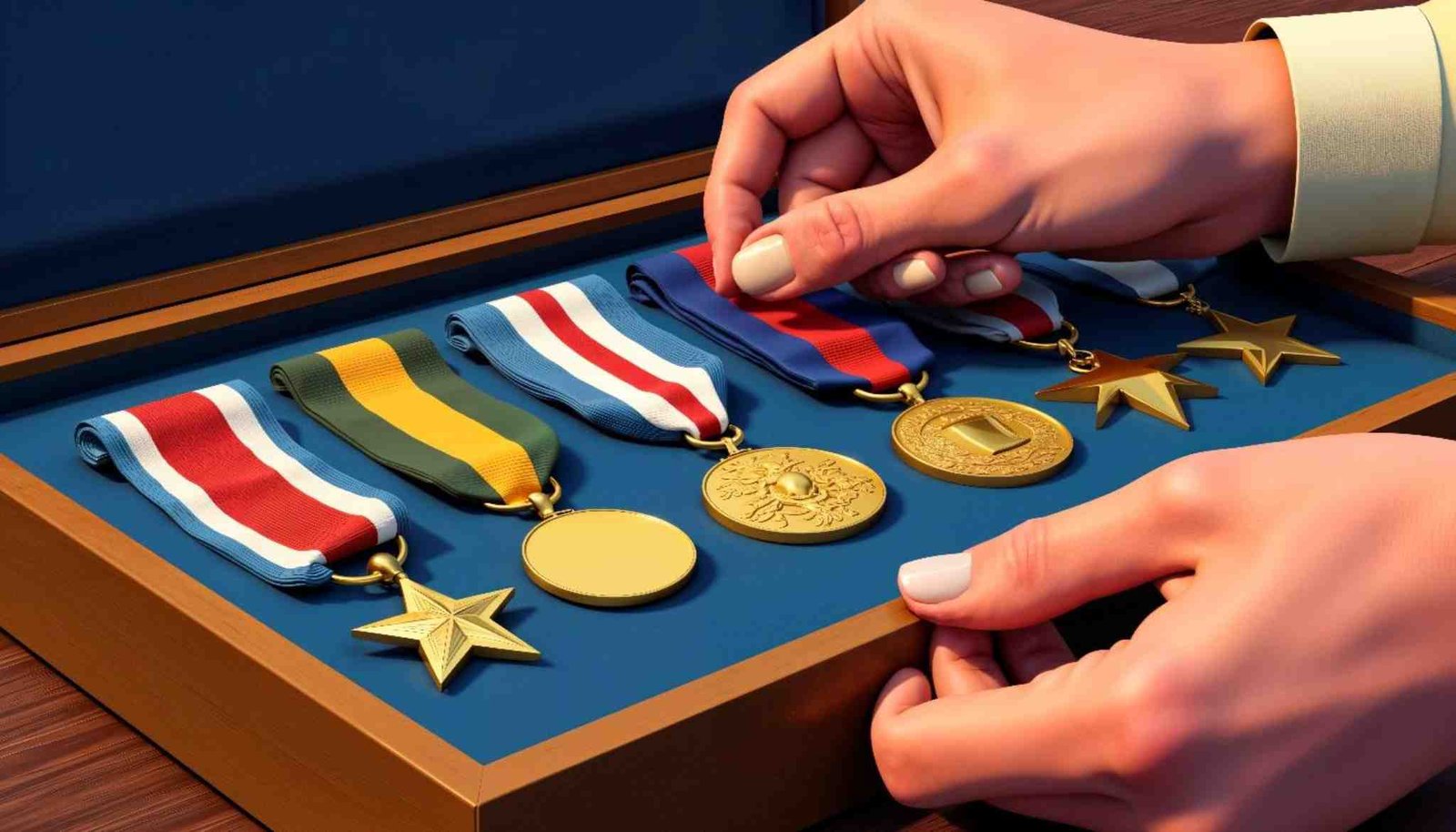
It might be easy to design medals; however, even minor decisions can significantly change the overall result. The organizers of events find it hard to select a style that best describes their event. Good custom medals are a symbol of accomplishment; they are consistent with the theme of the event and are remembered over the years.
The appearance and the feel of a medal depend on shape, color, and material. When these factors combine, the medal is not just an award but a souvenir. The fundamentals of designing will help you prevent errors when designing a medal and produce one that will be appreciated by its participants.
Choosing the Right Medal Shape
The first thing that people notice is shape. The round medals are traditional and professional. They are applicable in sports tournaments, educational events, and corporate recognition.
People like different shapes, which is why custom medals are becoming more and more prevalent. Organizers have now chosen designs keeping pace with logos, mascots, or themes. Keep the writing part in mind. The complicated forms are intriguing, but restrict space for writing and painting.
Selecting Colors
Color brings about an emotional effect. Gold, silver, and bronze are still the norm since they are obvious indicators of ranking and success.
Medals are also made unique by the use of specific brand or event colors added by the organizers. Bright colors of enamels suit school events and fun runs, and the metallic ones have a high-quality appearance in competitions.
Contrast matters. Logos and text need to be prominent. The palette is excessive and should be trimmed to two or three primary colors used on the medal.
Material Choices
Material affects the looks and the strength.
- Zinc alloy is also favored as it allows elaborate designs, and it is economical. It suits most events.
- Brass and copper are more weighty and of higher quality. These are selected to be allocated valuable awards or old-time contests.
- Stainless steel is modern in appearance and highly durable.
- Acrylic has transparency and can be processed into various shapes.
Matte vs Polished Finishes
The finish determines how light reflects off the medal. Many finishes are applied in depth and contrast by using both finishes. The design does not appear flat; selecting the appropriate finish completes it.
Glossy Finish: Fines have a glossy look; they are good for celebratory or energetic occasions.
Matte Finish: A more refined appearance is provided by matte finishes. They minimize the glare and emphasize carved features.
Budget and Quality
Cost is a major concern to many organizers who place orders for custom medals. What matters is prioritizing the features that matter. A simple shape made of high-quality material may appear better than a complicated shape that is poorly manufactured.
Bulk ordering reduces the expenses without compromising quality. Working with experienced manufacturers also helps to avoid production errors, which would result in redesign costs.
Connection of Design to the Purpose of an Event
Each event has a disparate objective. Aggressive sportswear requires aggressive designs. Charity events have colorful and friendly styles. Corporate awards are the best with clean and elegant finishes.
The medal will have significance when shape, color, and material are aligned with the purpose of the event. The participants recall the accomplishment and what experience the medal brings.