
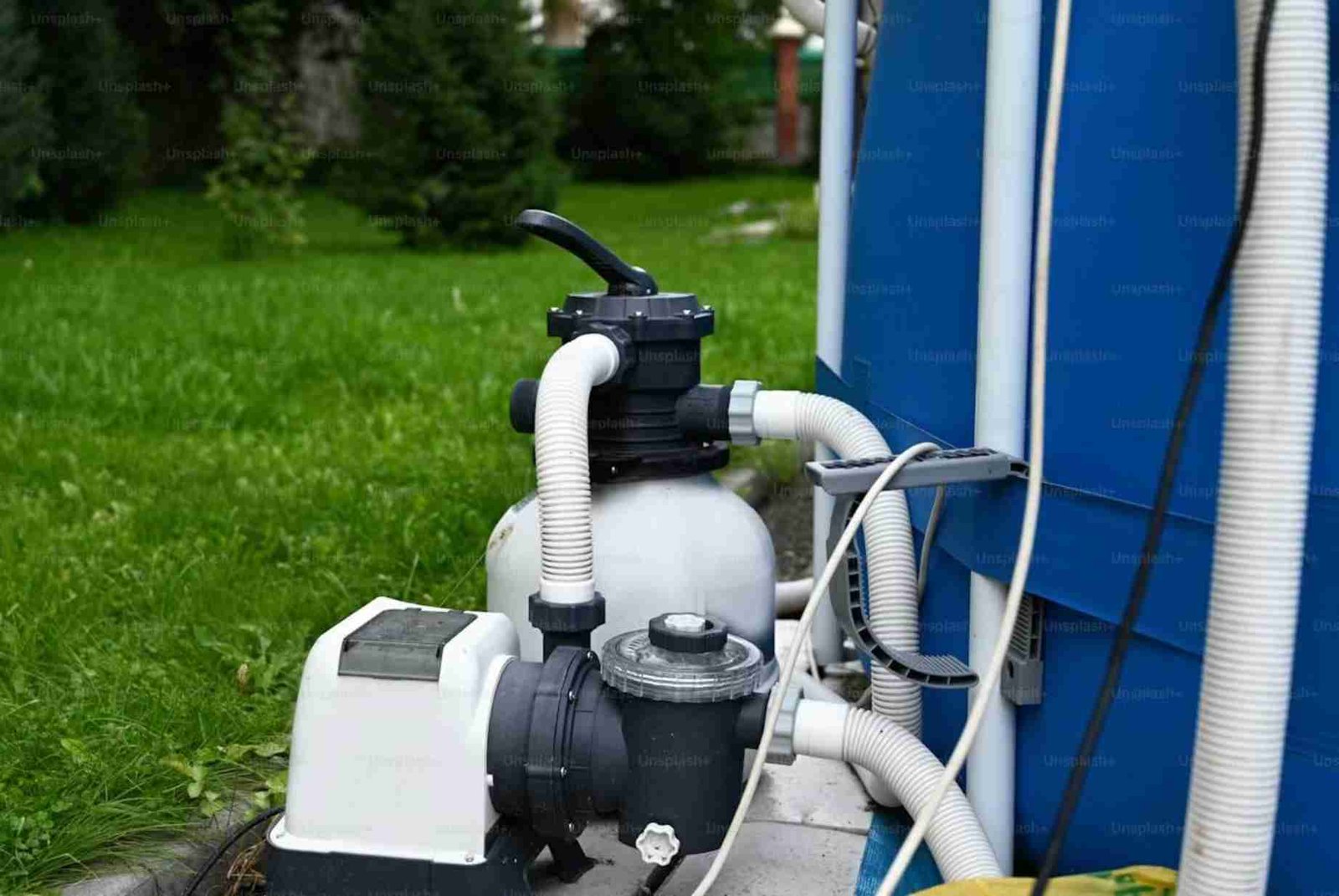
Water pumps are a critical part of daily operations at any ranch, supporting livestock hydration, crop irrigation, and general water distribution across large properties. A poorly maintained pump can lead to water shortages, equipment damage, and unexpected repair costs that disrupt ranch productivity. Because ranch pumps often operate continuously and in harsh outdoor conditions, regular care is not optional—it is essential. Proactive maintenance helps improve efficiency, extends equipment lifespan, and ensures a reliable water supply when it is needed most.
By understanding and applying proper maintenance practices, ranch owners can protect their investment, reduce downtime, and maintain smooth operations throughout the year, regardless of seasonal or environmental challenges. Here is what ranch owners need to do while maintaining water pumps.
1. Inspect Pumps and Components on a Regular Schedule
Routine inspections are the foundation of good pump maintenance. Check the pump, pipes, valves, and fittings for leaks, corrosion, or unusual noises. Early detection of worn seals, loose connections, or pressure issues can prevent major breakdowns.
Creating a simple inspection schedule—weekly or monthly, depending on usage—helps you stay ahead of potential problems and avoid emergency repairs.
2. Keep the Pump and Surrounding Area Clean
Dirt, debris, and vegetation buildup around water pumps can interfere with ventilation and moving parts. Make sure the pump housing and intake areas are clean and free from mud, leaves, or animal waste.
For submersible pumps, monitoring water quality is also important, as excessive sediment can cause internal wear. A clean environment reduces strain on the pump and improves efficiency.
3. Monitor Water Pressure and Flow Consistency
Sudden changes in water pressure or flow rate often indicate underlying issues such as blockages, air leaks, or mechanical wear. Installing pressure gauges and flow meters allows you to track performance over time.
If you notice fluctuations, address them promptly before they escalate into pump failure. Consistent monitoring helps maintain a reliable water supply for ranch operations.
4. Handle Water Pump Removal Safely
When major maintenance or replacement is needed, proper water pump removal is essential. Renting a water pump pull machine is a safe and efficient way to remove deep well or submersible pumps without damaging equipment or risking injury.
These machines are designed to handle heavy loads and provide controlled lifting, making the process faster and more reliable than manual methods. Using the right equipment protects the pump, well casing, and workers during removal and reinstallation.
5. Prepare for Seasonal Changes and Prevent Freezing Damage
Seasonal maintenance is especially important for ranch water pumps. Before winter, insulate exposed pipes and drain systems that are not in use to prevent freezing and cracking. In warmer months, ensure pumps are not overheating due to increased demand or poor ventilation.
Adjusting maintenance routines based on seasonal conditions helps prevent weather-related damage and extends pump lifespan.
Conclusion
Maintaining water pumps at your ranch doesn’t have to be complicated, but it does require consistency and the right approach. Regular inspections, cleanliness, performance monitoring, proper water pump removal using rented pump pull machines, and seasonal preparation all contribute to reliable pump operation. By following these tips, ranch owners can reduce downtime, avoid costly repairs, and ensure a steady water supply that supports both livestock and daily ranch activities.