As they successfully combine current trend with traditional artistic expression, the Kurti Manufacturers in India are among the most active companies in the country. Not just clothing, Kurtis from women clothing manufacturers are reflections of the local culture, the skill of the artisans producing them, and the most current design trends appealing to women all throughout India and beyond.
Designed With Customary Based on Workmanship
Ladies of all ages have resorted more and more to the adaptable and stylish kurti over years for their clothing. India’s long-standing position as a hub for the textile arts directly relates to the kurtis created in the city. The artistic tradition of the region dictates the kurti-making; hand-block printing, gota-patti work, mirror work, embroidery, Sanganeri and Bagru prints.
Many times, India’s kurti manufacturers come from families that have passed on their knowledge of textile processes for many generations in order of preservation. India kurtis provide authenticity and talent to people, thereby helping designs to stand out in both local and international marketplaces. The fact that many of the city’s companies still depend on handcrafted methods indicates the ongoing need of human interaction in the manufacturing of garments. Among these creative projects are hand dying, printing, and hand stitching of textiles.
India has been a major centre for fashion entrepreneurs looking for distinctive ethnic clothing as well as mass kurtis manufacture over the last several years. From small stores’ owners to owners of large-scale retail chains and businesses exclusively accessible online, these businesses attract a wide range of customers.
India’s success in the garment sector might be partly credited to the city’s skilled labour force and raw materials availability—that of cotton, silk, rayon, and georgette. To satisfy the wants of metropolitan Indian women, the local artists are skilled in integrating classic components with contemporary designs and patterns.
Why Has India Kurtis Such a Large Following?
Mostly displaying their creative creativity and great quality, Kurtis created in India From laid-back casual wear to elaborately dressed celebratory outfits, a kurti fits every occasion. Simple cotton kurtis with printed patterns ideal for summer use radiate different design from one another and are wonderfully stitched.
Choosing natural colours and sustainable printing techniques like Dabu and Bagru adds even another degree of value. Those who appreciate sustainable fashion discover that India kurtis strengthen their own ideals.
Moreover, these outfits are fairly priced, comfy, and fit well, so they are a frequent option among people of many economic levels. The superb finishing and meticulous attention to detail expose the considerable expertise and commitment of the surrounding manufacturers towards their trade.
Custom sets have no restrictions on India’s kurti producers on adopting the newest fashion trends. Many designers are producing exquisite Indo-Western fusion designs for younger consumers. This is particularly relevant because many designers still focus on ethnic fashion. Designed right now for the fashion industry are asymmetrical hemlines, high-low cuts, short kurtis worn with jeans, and contemporary patterns.
Digital design tools and online order handling systems help producers to more easily adopt the newest fashion trends all around. Working with manufacturers, design studios try several patterns, sleeve designs, necklines, and fabric combinations. In the field of modern fashion, the traditional kurti could still be relevant because to frequent collections catered to customers’ always changing needs.
Within View of the Manufacturing Process Revealed in Background Scenes
Making a kurti in India mostly depends on selecting the appropriate fabric. Because they are so comfortable and flexible, cotton and rayon are among the most often used materials for different printing methods. Second in importance is designing the clothing; this entails selecting the cuts, patterns, and motifs to be used after fabric choice.
Using wooden blocks hand-carved for block-printed kurtis, complicated designs are imprinted onto the fabric. there get there this calls not just accuracy but also a consistent hand. After printing, the cloth is allowed to dry; subsequently, it might be treated or cleaned to precisely establish the colours.
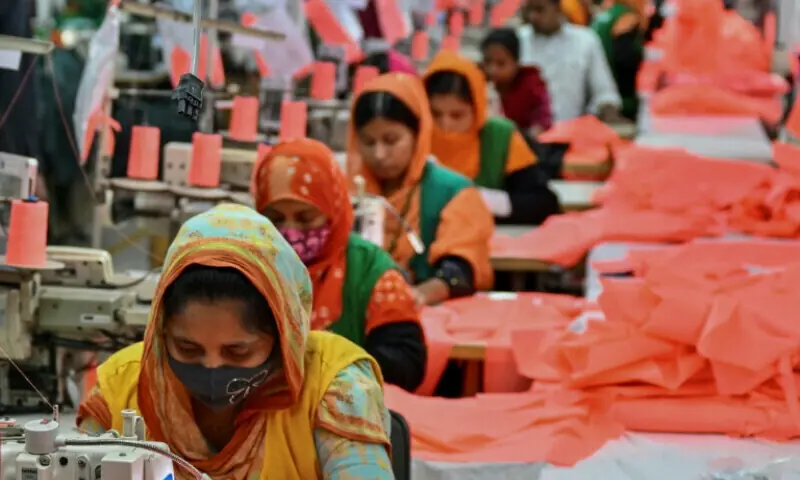
Third and as important is the process of customising. Here every kurti is cut, stitched, and finished to ensure consistency. This part of the manufacturing is under the supervision of qualified professionals who guarantee suitable dimensions and that the finishing satisfies required criteria.
Some producers additionally painstakingly check the stitching, print uniformity, and colourfastness of their works employing quality control methods before to their packaging and delivery.
Work and Local Area Enhancement
Among the many industries significantly increasing India’s GDP and job opportunities is the kurti manufacturing one. As a source of income, this firm provides hundreds of designers, tailors, craftspeople, and support personnel employment prospects. Many women working in departments of tailoring and finishing have the possibility to be constant income producers and financially independent.
Among other things, small workshops and self-help organisations in rural India environs give handicrafts and needlework top priority. These gatherings enable local businesses to become active in the fashion sector. Engaging small producers, non-governmental organisations (NGRs), and local cooperatives most of the time helps to provide equitable remuneration and ethical working conditions.
India, India’s International Market Kurtis
Thanks to corporate globalisation and the expansion of e-commerce, India kurtis are becoming very significant outside of India. Demand for Indo-ethnic apparel is rising, hence exporters bring ready-made clothes in countries such Australia, the United Arab Emirates, the United States of America, and the United Kingdom.
For international stores searching for distinctive items that fairly reflect the core of Indian creativity, India is a well-known location. India kurtis have a special edge in the fashion circles all around because of its unusual mix of historical designs, outstanding tailoring, and cultural appeal.
Visiting various independent shops as well as several websites such Amazon, Flipkart, and Myntra will enable customers all over purchase the kurtis produced in India. Local companies facing worldwide competition have been driven to use digital marketing strategies, international sizing, and packaging standards.
Assisting Businesses Motivated by Artists
Many kurti designers claim that India is their native country; some of them have just started artistic-oriented companies. Mostly focused on fair trade and environmentally friendly clothes, these businesses closely interact with surrounding artists and women crafters. Apart from supporting customers on the cultural worth of every garment, they encourage openness in the manufacturing line within their own company.
Supporting these companies not only gives you access to real and fashionable kurtis but also supports the artists preserving India’s textile tradition.
Prospects India offers for Next Kurtis Manufacturing
As the fashion industry develops, the kurti is most likely to be a classic garment; India will always be a major component in its manufacturing. The difficulty will be trying to keep handmade work of quality while also meeting mass production criteria and global competitiveness.
Future phase of India’s kurti manufacturing firm is projected to be much influenced by digital innovations, automation, and environmentally friendly manufacturing concepts. Training courses for craftspeople and technical infrastructure enhancements will assist to keep it known as a fashion powerhouse.
Furthermore, the sector is probably going to benefit from the increasing demand for locally manufactured handcrafted products. Clothes that tells a narrative appeals to consumers more and more; so, every India kurti with its design based on tradition and made with care achieves just that.
Finally
Finding women clothing manufacturers’ creative talent is like finding a planet where invention and personalising live side by side. Important components include realising the current energy pushing the company forward, appreciating the handwork, and knowledge of the cultural diversity.